
If you are buying a gemstone, whether for jewellery or investment, you will encounter the terms “natural” and “untreated” constantly. They are used correctly by reputable dealers and loosely by everyone else. Understanding what these terms actually mean is the most valuable step you can take as a buyer.
What “natural” means
A natural gemstone is one formed by geological processes in the earth, without human intervention in its creation.
Natural does not mean perfect. Natural stones can have inclusions, colour zoning, and surface features. These are signs of their geological origins, not defects.
Natural is in contrast to:
-
Synthetic (lab-created or lab-grown): chemically identical to natural stones but grown in a laboratory, typically in weeks or months rather than millions of years. Synthetics can be visually indistinguishable from naturals; only gemological testing tells them apart. They are worth a fraction of a natural stone.
-
Simulants: materials that look like a gemstone but are chemically different. Glass, cubic zirconia, and spinel used to simulate sapphire are simulants. A simulant sold without disclosure is fraud.
When a reputable lab says a stone is “natural,” it means it has been tested and confirmed to have grown in the earth. This is the foundational fact that all value rests on.
What “untreated” or “no heat” means
Almost all commercial gemstones undergo some form of enhancement after mining, to improve their colour, clarity or appearance. The most important treatments to understand:
Heat treatment: The most common treatment across ruby, sapphire, aquamarine, and many other stones. Applying high heat under controlled conditions improves colour saturation and can reduce certain inclusions. Heat treatment is permanent, stable and widely accepted in the industry, when disclosed.
Beryllium diffusion: A more aggressive treatment that drives beryllium into the stone at high temperature to alter colour. Not acceptable as undisclosed heat treatment; must be identified and declared separately.
Fracture filling / lead-glass filling: Filling surface-reaching fractures with oil, resin, or glass to improve apparent clarity. In emerald, minor oiling is accepted; in ruby, lead-glass filling is a significant treatment that dramatically reduces value. Always disclosed on a proper certificate.
Irradiation: Used to alter colour in some coloured stones; stability varies and must be disclosed.
Coating: Surface coatings to alter colour; not stable, not acceptable undisclosed.
“Untreated” or “no heat” means none of these significant enhancements have been applied. The stone is as it came from the earth, beyond cutting and polishing.
Why treatment status drives value
The premium for a no-heat, natural sapphire over a heat-treated sapphire of similar appearance can be 40–60%. For fine rubies, the premium for unheated Burmese origin over heat-treated stones can be multiples. This is not arbitrary; it reflects genuine rarity (untreated fine stones are much less common) and the fact that natural colour is inherently more stable and more authentic than treated colour.
When you buy an untreated stone, you are buying something rarer and, if certified, more verifiable than a treated equivalent. The certificate is the evidence.
Why you cannot tell by looking
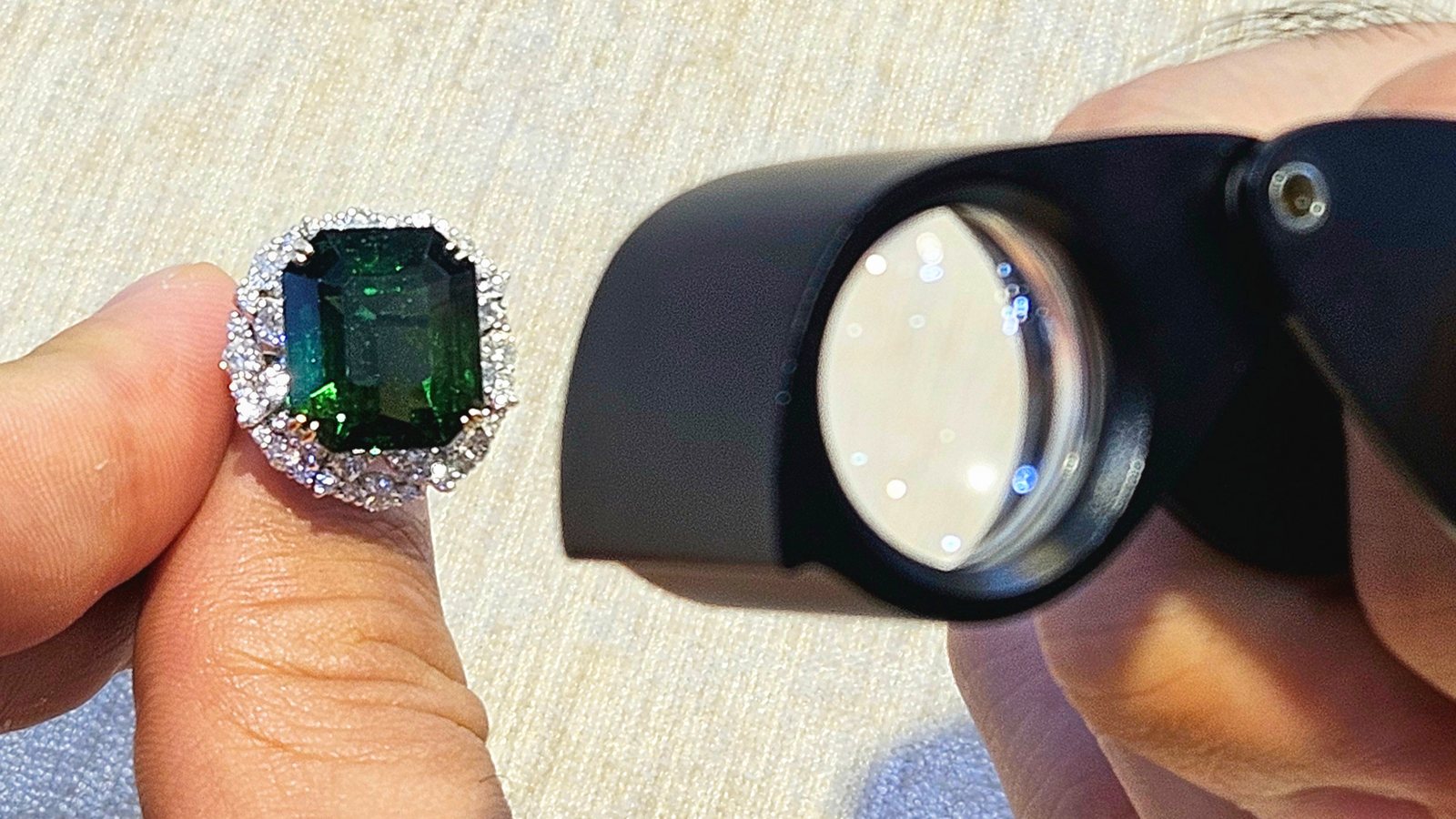
Here is the uncomfortable truth: you cannot reliably distinguish a natural from a synthetic, or an untreated from a treated stone, by looking at it. Even experienced gemologists cannot do so without laboratory equipment.
This is why certification is not optional: it is the only reliable evidence of what you own. A gemological report from a credible lab, stating the stone is natural and documenting its treatment status, is the foundation of value.
What Safir does
Every gemstone we sell is checked by our gemologists at Publika, and a written certificate is available on request. Our certificates are issued by an associated gemological laboratory in Singapore, so they are not independent of Safir. A certificate documents:
- Natural vs. synthetic status
- Treatment findings
- Colour description, weight and measurements
- An origin opinion, where one can be given
We explain this clearly in writing and in person. We do not sell stones with undisclosed treatments. When you buy from Safir, the disclosure is complete, because trust is the only product we are ultimately selling.
Learn about our certification process → or enquire about a specific stone →