
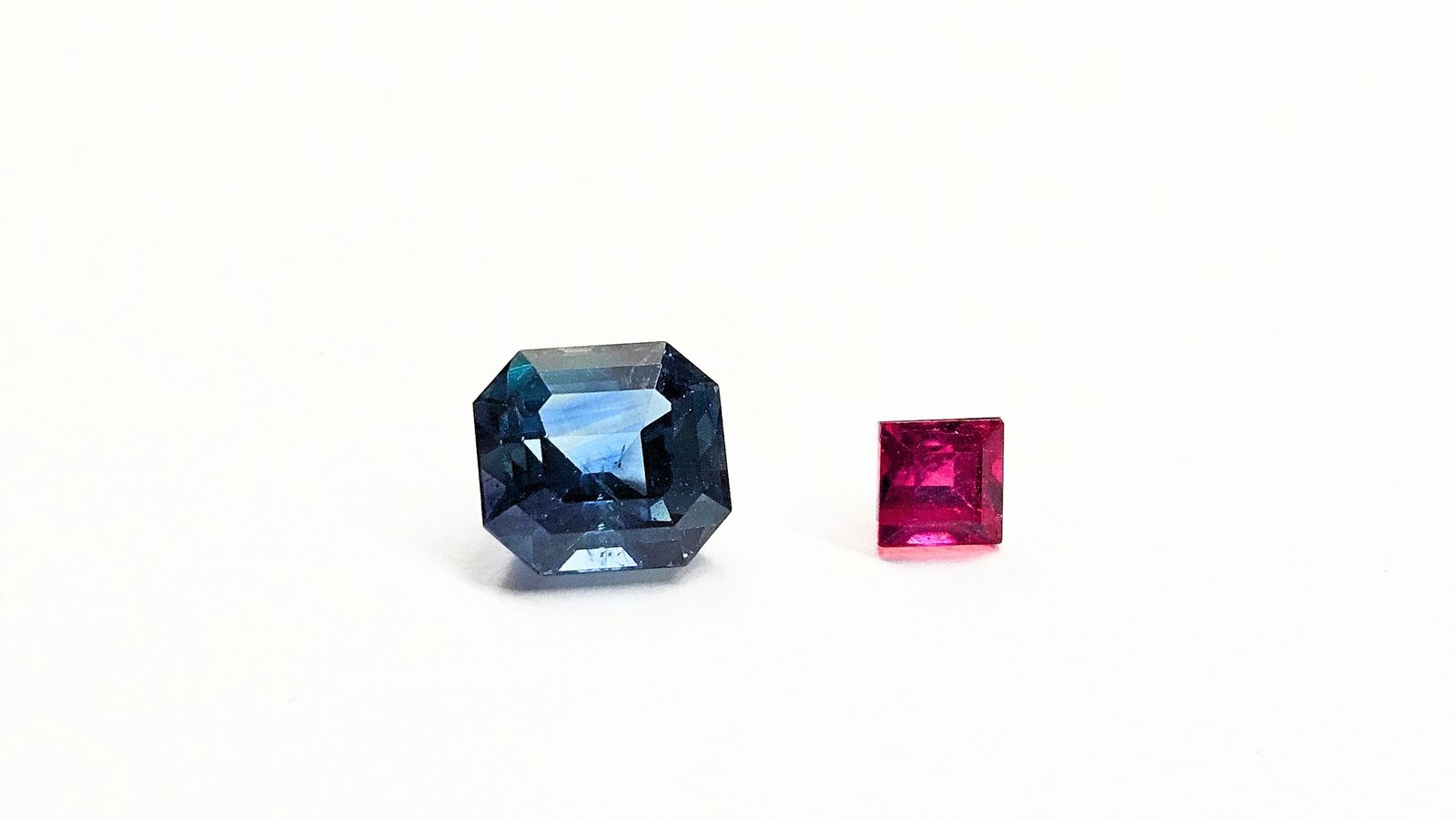
Both ruby and sapphire are varieties of corundum, aluminium oxide with a Mohs hardness of 9, second only to diamond. The difference between them is simply colour: corundum coloured red by chromium is called ruby; corundum of any other colour is called sapphire. Yet that single distinction in colour creates two very different gemstone experiences, with different market dynamics, rarity profiles and emotional resonances.
The case for ruby
Ruby is the red gemstone. When chromium is present in high enough concentrations, it creates the vivid red colour we associate with passion, power and rare beauty. The finest rubies, particularly from Mogok, Burma, also fluoresce under ultraviolet light, creating a glowing warmth that makes them appear lit from within.
Rarity: Fine natural rubies of significant size are rarer than comparable diamonds. A fine Burmese ruby above two carats is among the most expensive gemstones by weight in the world.
Investment track record: Exceptional rubies consistently achieve record prices at Christie’s, Sotheby’s and Bonhams. Among coloured gemstones, only the finest rubies and sapphires reach these levels.
Who chooses ruby: Those who want a stone with unmistakable presence: warm, impassioned, the colour of power and depth.
The case for sapphire
Sapphire is the blue gemstone, though it also comes in every colour except red. The classic cornflower or royal blue of a fine Ceylon sapphire is among the most universally admired colours in nature. Fancy sapphires include yellow, pink, orange, and the extraordinary padparadscha.
Versatility: Sapphire’s range of colours is unmatched. Blue sapphire suits almost any skin tone and any metal colour. A fine padparadscha is one of the world’s most exclusive gems.
Hardness: At 9 on the Mohs scale, sapphire is highly durable, second only to diamond, making it an excellent choice for everyday jewellery, including engagement rings.
Investment: Fine Kashmir, Burmese and unheated Ceylon sapphires are investment-grade. The market is deep and internationally active.
Who chooses sapphire: Those who want depth, elegance and versatility. Those who want a stone that can be worn daily. Those who value rarity with a cooler, more composed character.
How to decide
Ask yourself: do you want warmth or cool depth? Passion or wisdom? Both are among the finest gemstones in the world. The choice is personal. At Safir, we can show you both, compare them side by side, and help you find the stone that feels right.
One practical consideration: at equivalent quality, fine rubies are generally rarer and command higher prices than sapphires. If budget is a primary consideration, sapphire typically offers more stone per ringgit.
Whatever you choose, insist on gemological certification and full treatment disclosure. This protects your investment and gives you confidence in what you own.
Ready to see both stones in person? Book a private consultation →